

Rental Yield Analysis: Best Neighbourhoods in Istanbul for Long-Term and Short-Term Rentals

Istanbul has long attracted property investors with its cultural depth, economic significance, and growing population. As the rental market continues to diversify, neighbourhood selection has become key to maximising returns. From short-term rentals catering to tourists and digital nomads to long-term leases targeting professionals and families, Istanbul offers a wide range of income-generating opportunities.
This article explores the best neighbourhoods in Istanbul based on Istanbul rental yields and local rental trends. Using local data and real estate trends, it compares the characteristics that make each area suitable for either short-term or long-term strategies.
Understanding Istanbul’s Rental Market Landscape
The rental property market in Istanbul is shaped by varied tenant profiles. Tourist hotspots generate higher turnover and premium nightly rates, while residential areas offer consistency and lower vacancy risks. The choice between these approaches depends on the investor’s goals, management capacity, and risk tolerance.
Short-term rentals tend to perform best in areas with strong tourist appeal and convenient transport. Long-term rentals, in contrast, do well in districts known for their infrastructure, schools, and business proximity. Both segments benefit from Istanbul’s favourable currency rates and steady population growth.
Short-Term Rentals: High-Yield Areas for Daily and Weekly Income
Short-term rentals appeal to travellers looking for local experiences and temporary stays. These areas offer flexibility and often outperform in peak tourism months, especially when properties are well-managed and optimised for visibility on platforms like Airbnb and Booking.com.
Beyoğlu and Galata
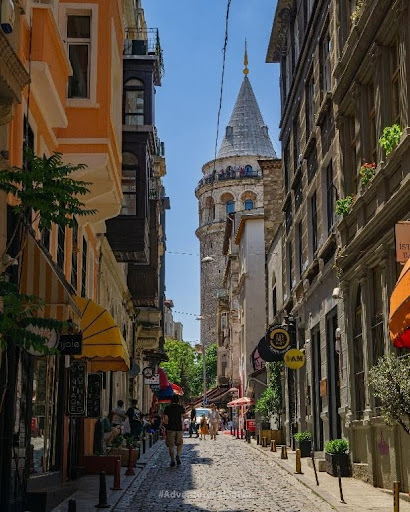
Beyoğlu remains a core destination for short-term visitors. With its historic architecture, proximity to İstiklal Avenue, and access to the Taksim transport hub, it sees strong tourist demand year-round. Galata, a subdistrict of Beyoğlu, benefits from charming cobbled streets, boutique hotels, and converted flats ideal for holiday stays.
Properties in these areas can yield up to 8% annually, making them some of the strongest performers in rental yields. High occupancy rates during peak travel seasons further boost short-term returns. Studio and one-bedroom units tend to be most profitable, especially under professional management.
Sultanahmet and Fatih
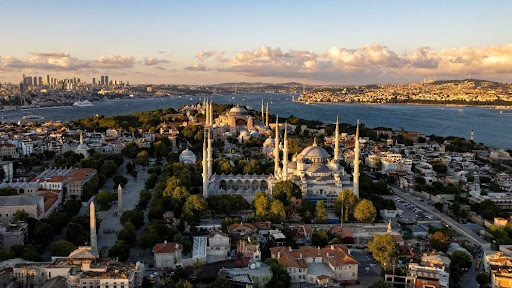
Sultanahmet, with its iconic landmarks like the Blue Mosque and Hagia Sophia, continues to be a hotspot for cultural tourism. Investors here often convert old buildings into short-stay guesthouses or furnished flats.
Although zoning restrictions in Fatih can limit Airbnb-style activity, properties managed through licensed channels see consistent demand. With proper legal alignment and local support, rental yields in this area can approach 7%, driven by high tourist interest and limited hotel competition.
Karaköy and Cihangir
Karaköy has evolved from a working port into a trendy waterfront neighbourhood filled with cafés, galleries, and design shops. Its blend of modern culture and sea views attracts short-term guests, particularly young travellers and remote workers.
Cihangir, nestled between Taksim and the Bosphorus, offers a bohemian charm. Its hilly streets and artistic vibe make it popular among creatives and digital nomads. Short-stay units in both areas can deliver yields between 6% and 7.5%, especially when interiors are tailored for comfort and online reviews are well-managed.
Long-Term Rentals: Stable Neighbourhoods for Monthly Leases
Long-term rentals in Istanbul offer more predictable income streams. Tenants typically include students, expatriates, professionals, and local families. This segment benefits from fewer regulatory challenges and often requires less ongoing management.
Kadıköy and Moda
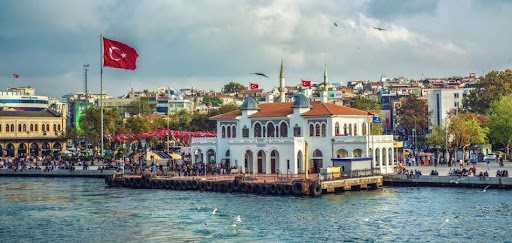
On the Asian side of Istanbul, Kadıköy stands out for its balance of lifestyle, transport access, and education hubs. Moda, within Kadıköy, is especially attractive to young professionals due to its walkable streets, seaside cafés, and cultural events.
Properties here appeal to those seeking stability with style. Long-term yields range from 4.5% to 6%, depending on proximity to ferry lines and metro stations. Investors prioritise two-bedroom flats and mid-size apartments, often rented by young couples or working professionals.
Şişli and Bomonti
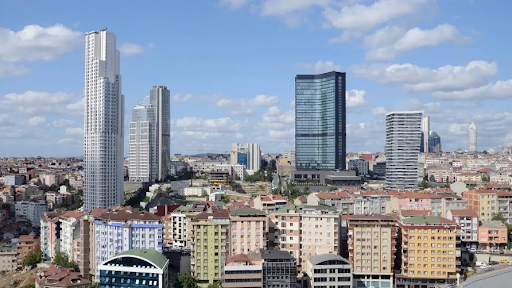
Şişli remains a commercial and residential core, home to office spaces, shopping centres, and established schools. Bomonti, a redeveloped section of Şişli, is emerging as a modern enclave, attracting mid- to high-income tenants.
Due to its central location, long-term rental properties in Şişli often experience strong demand. Monthly rents are relatively high, but so are property prices, resulting in yields of around 4.5%. Still, the low vacancy rate makes it a safe bet for income-focused investors.
Ataşehir and Ümraniye
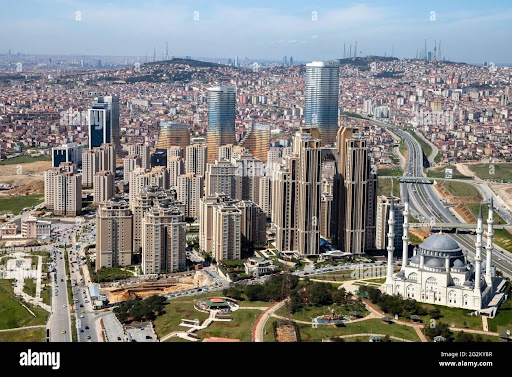
Ataşehir is rapidly growing as a financial and business district, hosting major corporate offices and new infrastructure projects. Nearby Ümraniye complements it with more residential zones and newer developments.
These areas are well-connected and appeal to families and white-collar workers seeking proximity to the business core. Average Istanbul rental yields hover between 5% and 6%, with a steady stream of long-term tenants. Properties near metro lines or international schools perform particularly well.
Balancing Strategy with Neighbourhood Choice
Deciding between short-term and long-term rental strategies requires more than just yield calculations. Investors need to consider property management effort, legal restrictions, tenant profiles, and seasonal performance.
Short-term rentals may generate higher monthly income but often involve more overhead and occasional legal complexity, especially in zones where tourism licensing is restricted. Long-term leases, while offering lower margins, reduce the workload and provide greater income consistency.
Some investors opt for hybrid models, renting long-term during the academic year and switching to short-term in the summer. This approach works best in areas with both family infrastructure and tourist appeal, such as Kadıköy or Cihangir.
Future Outlook for ROI Rental Property in Istanbul
Istanbul’s rental market remains one of the most dynamic in the region. Currency fluctuations have made property more accessible to foreign investors, while population growth continues to fuel demand. Ongoing infrastructure projects, including metro expansions and new airport links, are expected to elevate neighbourhood values over time.
Districts like Kağıthane, Avcılar, and Basın Ekspres are worth watching as transport access improves and new developments rise. While current yields may be moderate, capital appreciation potential is strong, making them appealing for long-term holding strategies.
Final Thoughts
Choosing the best neighbourhood for rental income in Istanbul depends largely on an investor’s priorities. Short-term rental zones like Beyoğlu and Karaköy tend to offer attractive returns, especially during peak tourist seasons. However, these require more active involvement, consistent maintenance, and awareness of tourism trends to stay profitable.
On the other hand, long-term rental areas such as Şişli, Kadıköy, and Ataşehir offer a more stable income stream. These neighbourhoods appeal to professionals, families, and students, making them suitable for investors seeking lower vacancy rates and less operational hassle. The predictability of long-term leases often translates to a reliable ROI rental property strategy for cautious investors.
Looking ahead, it is important to consider how upcoming urban developments, transport links, and regulatory shifts may influence Istanbul rental yields. Some emerging areas may not deliver immediate returns but carry strong potential for long-term growth. With careful planning and area-specific insight, investors can strike the right balance between risk and return across Istanbul’s diverse property landscape.