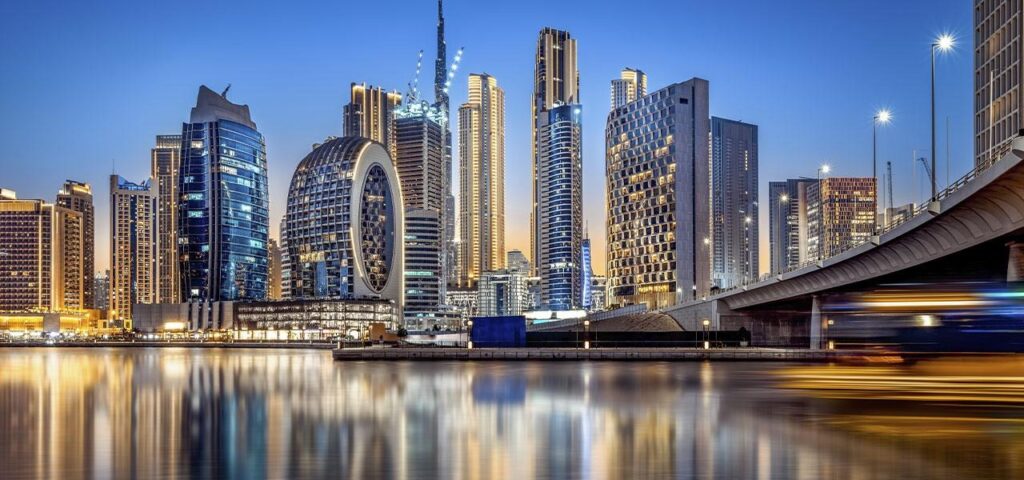

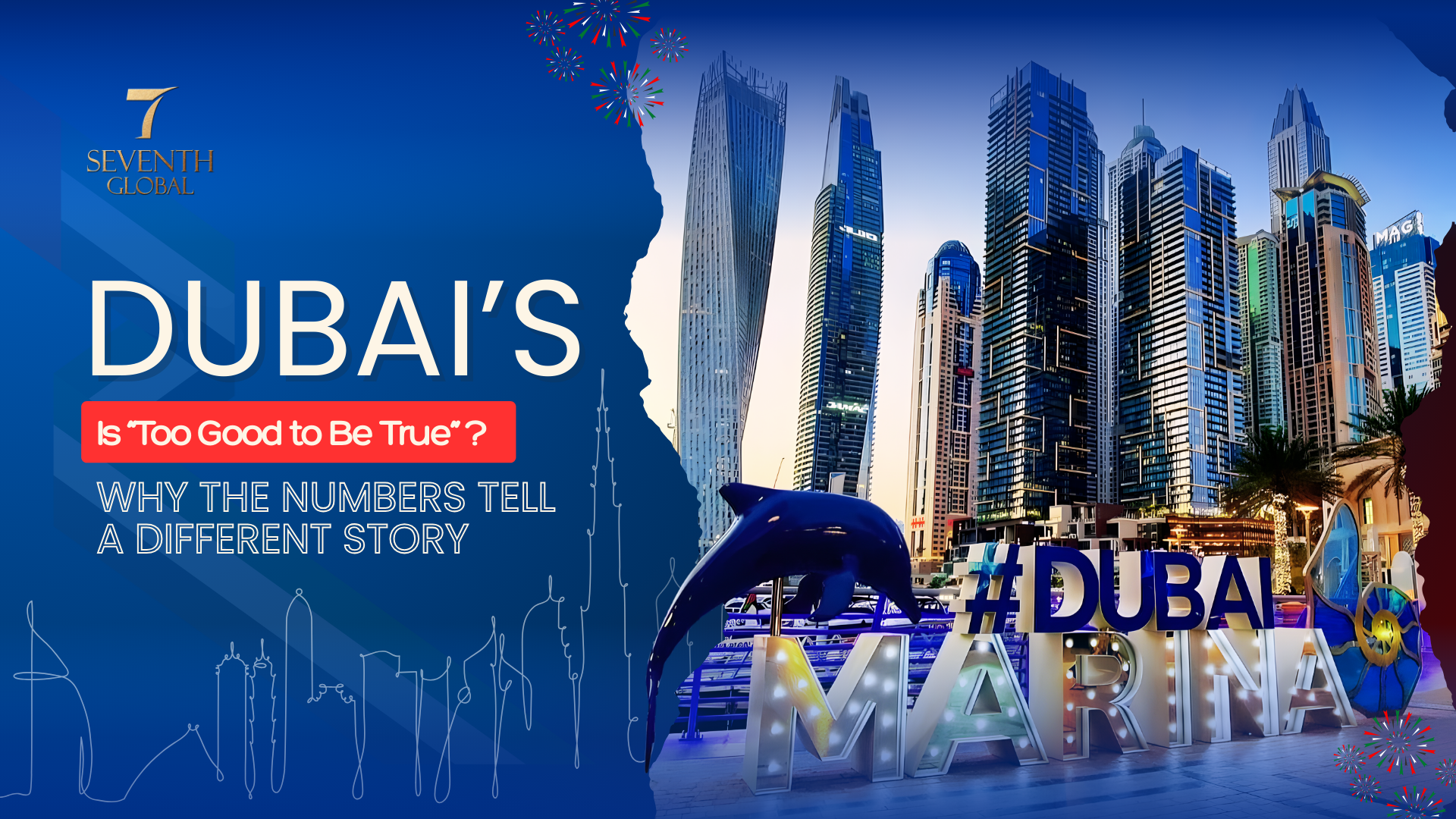
Dubai’s property story is often judged by its pace. New districts appear quickly, infrastructure expands, and prices continue to draw attention. For some observers, this creates doubt, as if momentum alone must mean risk. Dubai’s real estate reality is more measured than that, shaped by demand patterns, formal oversight, and long-term economic direction.
When the market is assessed through data rather than headlines, the picture becomes clearer. Population inflows, steady transaction activity, and enforceable rules explain why confidence has held. A careful analysis of Dubai’s property market shows a market built around structure, not surprise.
Dubai’s Current Market Dynamics
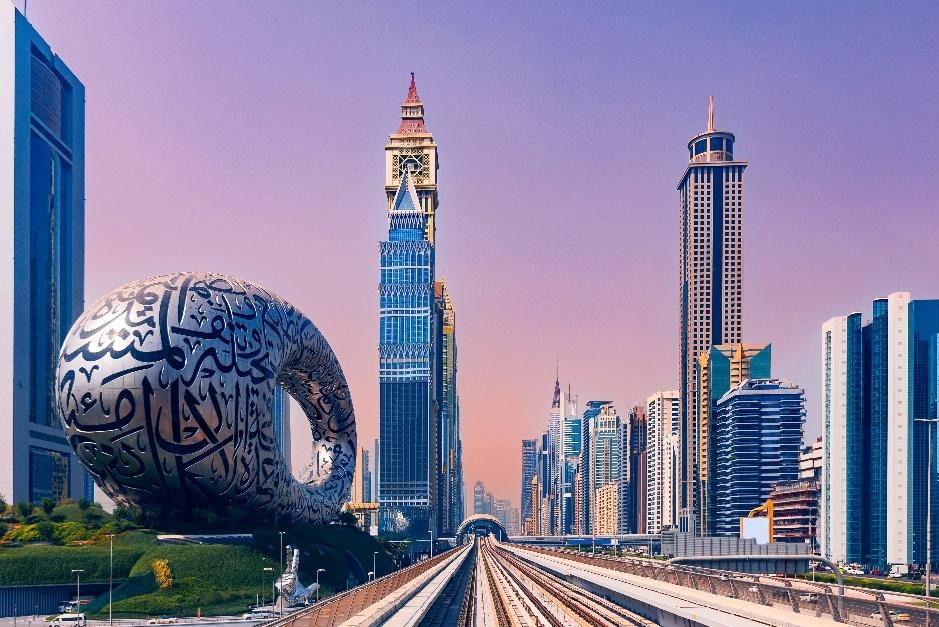
Dubai’s property market in 2025 is driven by population movement and steady economic participation. Demand remains active across both rental and ownership segments, supported by a wide base of end users and investors.
Population Growth and Housing Demand
Population growth continues to influence pricing and occupancy across the city. Professionals relocating for work, entrepreneurs establishing operations, and families choosing long-term residence all feed into day-to-day housing demand. This is one of the most consistent signals within the Dubai real estate reality, as it reflects lived demand rather than sentiment.
The impact is visible in areas where infrastructure, transport access, and community services are already established. These locations see steady rental absorption and lower vacancy periods, particularly where lifestyle and workplace proximity overlap.
Supply Pipeline and Project Releases
Supply in Dubai is introduced through approvals and phased launches, rather than uncontrolled building cycles. New projects reach the market through defined processes, which helps prevent sudden oversupply in core districts. This approach shapes buyer expectations and keeps pricing behaviour more stable over time.
Phased delivery also affects buyer strategy. Investors often compare ready stock with off-plan launches based on completion timelines, developer track record, and district maturity, rather than rushing into decisions based on short-term noise.
Economic Participation and Sector Activity
Property demand in Dubai is closely linked to business activity, especially in sectors tied to trade, tourism, professional services, and technology. This relationship supports market consistency because housing demand reflects jobs and commercial expansion.
The wider Dubai growth economy contributes to this stability by keeping the city attractive to new residents and regional business flows. When employment and enterprise activity rise, housing demand tends to follow, strengthening market fundamentals across cycles.
Market Structure, Regulation, and Buyer Confidence
Dubai’s property market is shaped by clear rules and controlled processes. Regulation and planning influence how projects are launched, how transactions are handled, and how confidence is sustained.
UAE Real Estate Regulation and Buyer Protection
UAE’s real estate regulation plays a direct role in reducing uncertainty for buyers. Ownership rights, registration procedures, and transaction frameworks are defined clearly, helping investors understand the legal structure before committing capital.
This clarity is particularly important for international buyers purchasing remotely. When procedures are consistent and enforceable, confidence builds through the system itself rather than through marketing promises.
Developer and Broker Oversight
Developer compliance requirements and broker monitoring contribute to the market’s credibility. Licensing standards, project documentation, and compliance checks reduce the risk of misrepresentation and improve accountability.
This oversight supports foreign investment in Dubai by ensuring that market participants operate within recognised boundaries. It also encourages more informed buying behaviour, as clear rules reduce reliance on informal guidance.
Pricing, Timing, and Market Visibility
Dubai’s price growth often triggers debate, especially among those comparing it to slower markets. In many cases, pricing reflects demand concentration in established districts and the limited availability of ready homes in high-demand areas.
Timing decisions are easier in a market where planning is visible. Buyers can evaluate transport projects, new community development, and expected supply delivery without relying only on headlines. This strengthens the Dubai real estate reality as a market that rewards informed timing.
International Demand and Long-Term Direction
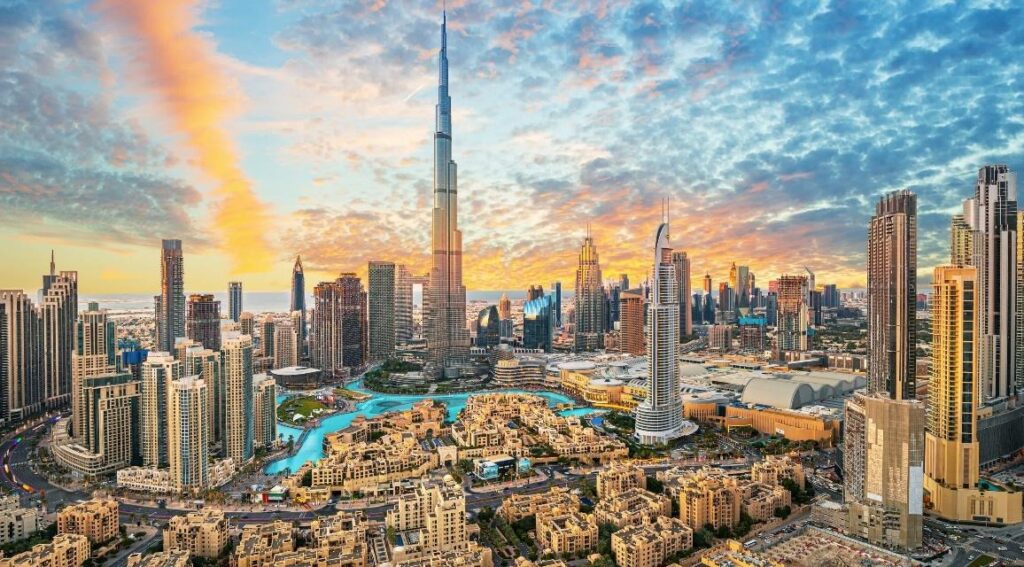
Dubai continues to attract international capital, supported by clarity in ownership structures and a stable economic vision. Global participation remains a significant part of market activity, particularly in prime residential and mixed-use areas.
Foreign Investment in Dubai and Global Participation
Dubai remains accessible to international buyers through clear ownership frameworks and efficient registration systems. This has positioned it as a consistent destination for foreign investment in Dubai, particularly for investors seeking predictable processes and asset security.
Cross-border interest also reflects Dubai’s role as a regional hub for business and mobility. When global professionals and entrepreneurs settle in the city, housing demand increases in parallel, supporting both rental and resale markets.
Long-Term Planning and Infrastructure Growth
Long-term infrastructure investment supports demand by improving access, liveability, and district connectivity. Transport expansions, urban upgrades, and planned community development influence demand patterns by making new areas viable for both residents and tenants.
A well-grounded Dubai property market analysis often highlights this link between infrastructure and pricing. Where connectivity improves, demand tends to follow, particularly when amenities and employment access align.
Governance and Market Continuity
Governance plays a central role in market continuity. Rules that support registration integrity, dispute handling, and transparency create stability that is difficult to replicate in less structured environments.
These systems reinforce the Dubai real estate reality by ensuring that growth follows a framework. For those assessing market fundamentals, the strongest indicator is not a headline figure but the consistency of how the market is managed.
Conclusion
Dubai’s success can appear surprising from the outside because progress is visible and fast. The market, however, is supported by demand drivers and controlled systems that reduce guesswork. The Dubai real estate reality is shaped by population inflows, structured development pipelines, and enforceable oversight.
Clear UAE real estate regulation and sustained international participation continue to support confidence in the market. Rather than relying on hype, Dubai’s property performance reflects a city that has built growth around process and long-term direction.