

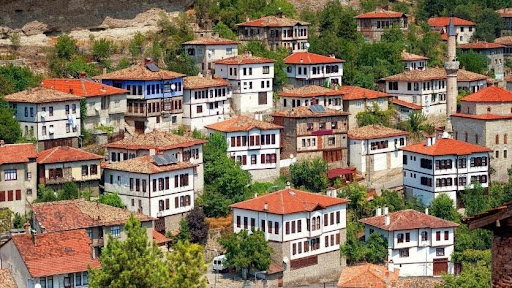
 Türkiye architectural heritage spans centuries, from Ottoman mansions to Greek stone houses and early Republican-era villas. As modern developments continue to expand across the country, a growing number of investors and homeowners are looking back to the quiet charm of the past. This interest in older buildings is more than nostalgia. It represents a unique property niche where history meets opportunity.
Heritage real estate in Türkiye is drawing attention for its cultural significance and investment potential. With government-backed restoration incentives and increasing interest in experiential living, historic property investment has become a serious consideration for buyers who value character and legacy.
This article explores the appeal of Türkiye historic homes, highlights key investment locations, and outlines the restoration process. It also examines the financial incentives available and what buyers should consider before entering the heritage property market.
The Appeal of Türkiye Historic Homes.
From the coastal towns of the Aegean to Istanbul’s old neighbourhoods, heritage buildings possess a distinct identity. Often constructed with local materials and time-honoured techniques, they narrate the story of Türkiye past in every brick and beam. Many of these structures are protected under conservation laws, which have helped preserve their original form.
For buyers, the appeal lies in the uniqueness. These are not standard apartments or cookie-cutter villas. They are one-of-a-kind homes, often located in districts with strong tourism interest or cultural importance. In places like Safranbolu, Ayvalık, or parts of central Istanbul, restored heritage homes command attention not just from residents but also from boutique hoteliers, designers, and entrepreneurs.
The charm of these properties is not purely aesthetic. Many are situated in pedestrian-friendly neighbourhoods with markets, cafés, and a sense of community rarely found in newer developments. This lifestyle aspect adds value and draws both domestic and international interest.
Key Locations for Heritage Property Investment.
Türkiye offers several regions where heritage properties are concentrated and actively protected. These areas vary in style, price, and potential, offering options for a range of buyers and purposes.
Istanbul’s Historiacal Districts
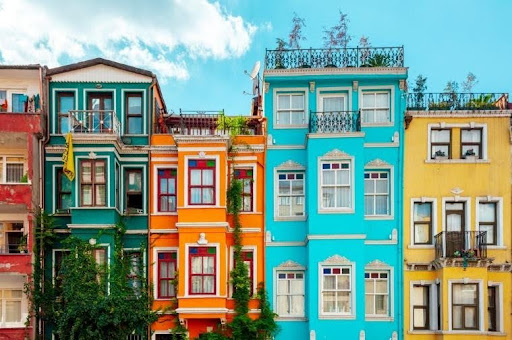 The heart of Istanbul holds an extensive collection of heritage buildings, particularly in areas such as Balat, Kuzguncuk, and Cihangir. These districts, with their narrow streets and colourful facades, remain some of the most iconic parts of the city.
Properties here vary from traditional wooden homes to early 20th-century stone buildings. While restoration may be complex due to regulations, the potential returns in both financial and cultural terms are strong. These neighbourhoods attract artists, academics, and small business owners, making them suitable for residential or mixed-use purposes.
Aegean and Mediterranean Towns
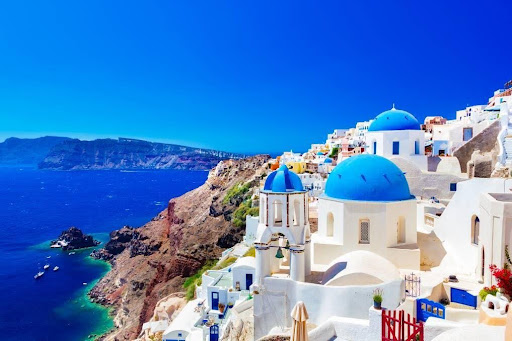
Seaside towns such as Ayvalık, Alacati, and Kaleiçi in Antalya are popular among those seeking a quieter pace. These towns are rich with stone houses dating back to the Ottoman and Greek periods, many of which have been restored into guesthouses or seasonal homes.
The mild climate, established tourism, and authentic charm make these areas ideal for those considering short-term rental or hospitality ventures. Alacati, in particular, has seen a surge in boutique hotels developed from former residences, demonstrating how heritage real estate Türkiye can be both beautiful and functional.
Central Anatolia and Beyond
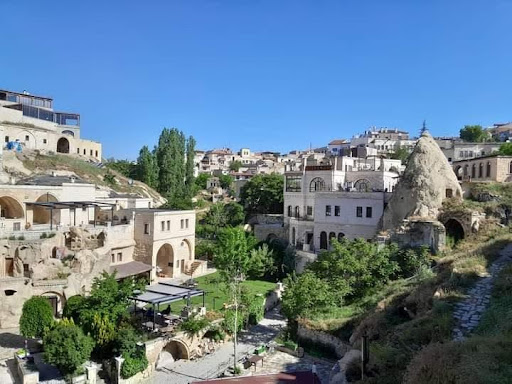 For those looking for value or lesser-known options, towns like Safranbolu and Beypazarı offer heritage properties at more affordable prices. These UNESCO-listed areas maintain strict architectural guidelines and attract cultural tourism throughout the year.
Investing in these towns may require more patience and involvement, but they offer long-term value for those focused on preservation and community engagement. They are also popular with Turkish buyers who appreciate traditional architecture and slower living.
Restoration Framework and Government Incentives
Restoring a historic property in Türkiye is not just a construction project; it is a cultural responsibility. That said, the Turkish government offers a variety of tools to help investors through the process.
Legal Protections and Permissions
Most heritage properties are classified as “protected” under Turkish conservation law. This means any restoration work must receive approval from regional conservation boards. While this adds an administrative layer, it also ensures architectural integrity is maintained.
Approvals typically involve submitting architectural plans, sourcing period-appropriate materials, and hiring licenced restoration specialists. While the process is detailed, it is also structured to support long-term preservation goals.
Financial Incentives for Restoration
One of the most appealing aspects of historic property investment in Türkiye is the range of financial support available. The Ministry of Culture and Tourism offers grants for eligible properties, especially if they are located in designated cultural heritage areas.
Property owners may also qualify for interest-free loans for restoration, often provided in partnership with local municipalities. These loans can cover a significant portion of the renovation costs, depending on the building’s classification and the scope of the work.
Tax exemptions are another benefit. Properties that maintain their heritage status can often receive reductions or exemptions on property tax and VAT, making long-term ownership more financially viable.
Collaboration with Local Authorities
Local governments often partner with investors to encourage the revitalisation of historical districts. In some cases, municipalities provide technical guidance, help with permitting, and even assist in marketing restored buildings once the work is complete.
This cooperation has been key in places like Gaziantep and Bursa, where old neighbourhoods have been revived through public-private partnerships. For investors, this can reduce risk and improve the project’s community impact.
Considerations for Investors and Homeowners
While heritage real estate can be rewarding, it is not without its challenges. Buyers should be prepared for a more hands-on process than typical real estate purchases.
Planning for Costs and Time
Restoration is rarely cheap or fast. Even with incentives, the cost of authentic materials and skilled labour can add up quickly. Delays are common, especially when approvals or inspections are involved.
Having a clear plan, working with local experts, and budgeting for contingencies are essential steps. For those with a long-term view, the payoff often comes in the form of a one-of-a-kind property with strong resale and rental appeal.
Blending Modern Comfort with Historic Integrity
Balancing preservation with liveability is another key issue. Many historic homes were built before electricity, plumbing, or heating were standard. Integrating modern systems without compromising the building’s character requires experience and care.
There are specialists in Türkiye who focus exclusively on this type of work. Hiring the right architect and contractor can make a significant difference in outcome and cost.
Resale and Rental Potential
Properties in protected areas often hold value better than standard developments, particularly if restored to a high standard. They appeal to a niche but growing market of buyers who prioritise authenticity over uniformity.
Rental opportunities also exist, especially in tourism-focused towns. Short-term rentals in heritage districts can outperform standard flats, particularly if the property offers an immersive experience.
Closing Thoughts
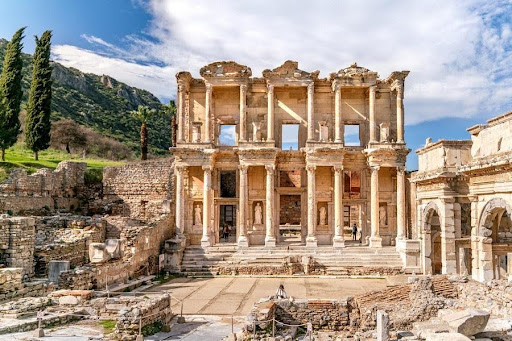
Investing in heritage real estate Türkiyeis not simply about bricks and mortar. It is about preserving identity, supporting cultural continuity, and creating spaces that feel both rooted and alive. Whether the goal is to live in a historic home, start a guesthouse, or diversify a portfolio with character-rich assets, Türkiye heritage market holds genuine promise.
With government incentives easing the financial burden and a growing interest in preservation-minded development, historic property investment is a space where values align. Buyers who embrace the process will find that the reward goes beyond ownership. Their investment becomes part of Türkiye living heritage.