
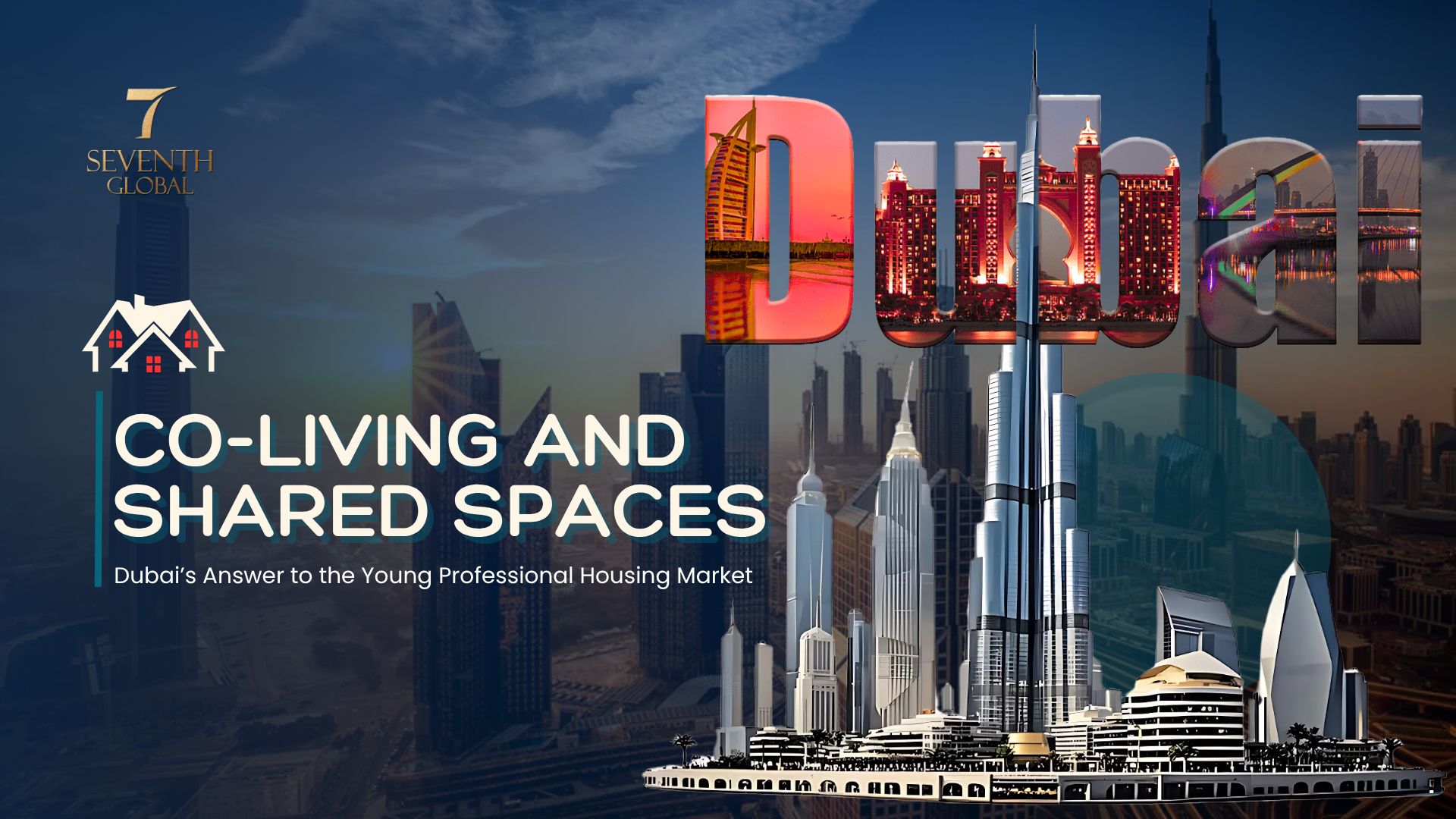
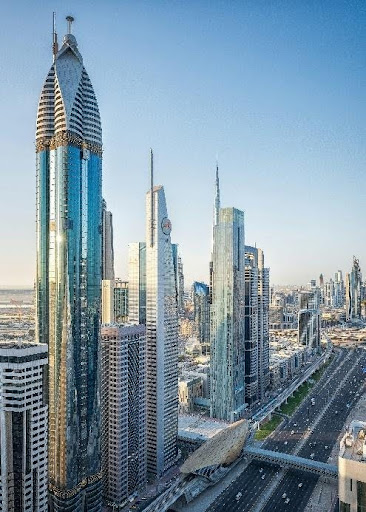
 Dubai’s housing market is adapting to suit a younger generation of residents. With a growing population of freelancers, entrepreneurs and remote workers, the appeal of co-living and shared housing is rising fast. These living models combine affordability, social engagement and convenience, making them ideal for those who value flexibility and community.
Developers and investors are paying close attention. As traditional long-term rental models shift, Dubai co-living is emerging as a key feature in its urban development. This article explores where this demand is growing, how it is changing the residential landscape and why it matters for the future of housing in the city.
The Rise of Co-Living: Meeting the Needs of Dubai’s Young Renters
Co-living is becoming a popular lifestyle choice for millennials and early-career professionals, shaping modern millennial real estate trends. Rather than settling into isolated apartments or long-term leases, many are choosing shared spaces that suit their mobile and connected lifestyles.
New Expectations from the Millennial Workforce
Today’s young professionals are not simply looking for a place to sleep. They want modern interiors, high-speed internet, communal lounges and short-term leasing options. These features are not extras but essentials for a generation that values efficiency and connection.
This shift reflects broader millennial real estate trends and has encouraged developers to offer furnished rooms in buildings with shared kitchens, social zones and co-working areas. The idea is to support both personal comfort and professional ambition within a single environment.
Affordability Without Compromise
For those entering Dubai’s rental market, price remains a concern. Living alone in central areas often exceeds budget, particularly for freelancers or those just starting their careers. Dubai co-living offers an accessible alternative. By renting a room rather than a full apartment, tenants can enjoy quality accommodation at a more manageable cost.
The savings are significant, especially in key neighbourhoods where rent for single flats remains high. This makes shared housing one of the more practical forms of affordable rentals in Dubai today.
Lifestyle Over Ownership
Unlike previous generations, many younger residents in Dubai do not prioritise home ownership. Instead, they value experiences, career mobility and social living. Shared housing supports these goals by removing the burden of long-term contracts, property maintenance and utility setups.
This preference has encouraged co-living brands to focus on lifestyle-led features such as wellness spaces, group activities and design-forward interiors. The result is a living experience that feels curated rather than conventional.
Key Locations Leading the Shift to Co-Living
The success of the co-living model depends heavily on location. Areas that offer strong transport links, lifestyle attractions and employment access are leading the trend. These neighbourhoods reflect the growth of Dubai co-living by combining convenience with community, supporting the needs of a younger, more dynamic tenant base.
Jumeirah Village Circle: A Hotspot for Affordable Co-Living in Central Dubai
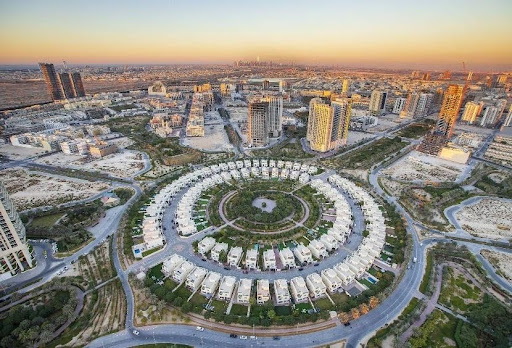 Jumeirah Village Circle has emerged as a hotspot for co-living developments. With a high number of mid-rise buildings and lower rental prices than central zones, the area attracts residents looking for value without leaving the city behind.
Many buildings in JVC have been redesigned to offer private rooms with shared amenities. Tenants benefit from community-driven environments that encourage interaction without sacrificing personal space. The combination of walkable streets, nearby retail outlets and growing public transport options makes JVC ideal for shared housing.
Business Bay and Downtown: Affordable Co-Living Near Dubai’s Core
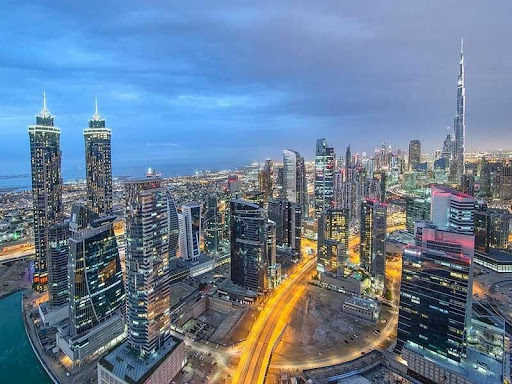 Business Bay has long been a central destination for working professionals. While the core of Downtown Dubai remains expensive, adjacent areas are now attracting co-living operators who want to offer central access without the high cost.
These developments cater to individuals working in finance, media and tech who want to avoid long commutes. The presence of communal lounges, rooftop terraces and fitness centres adds lifestyle appeal to these properties, making them more than just places to stay.
Silicon Oasis: The Hub for Tech Professionals and Affordable Co-Living
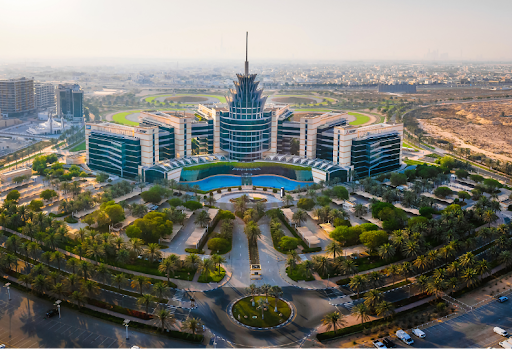 Dubai Silicon Oasis is known for its innovation parks and university campuses. It has become a hub for affordable rentals among young professionals in tech, engineering and design. The availability of shared housing near co-working hubs and education centres has helped the area develop a reputation for forward-thinking living.
Tenants can access high-speed internet, shared workspaces and flexible contracts. This setup appeals to start-up employees, graduate students and freelancers who need more than just a bedroom.
Opportunities for Developers and Real Estate Investors
The demand for Dubai co-living spaces is creating new opportunities in residential property. It is not simply about offering a room for rent but designing buildings and experiences around a shared lifestyle. Developers and investors who understand these needs are well-positioned to benefit.
Designing Residential Spaces for Shared Living
Shared housing requires a new approach to building layout and design. Developers must include more than just bedrooms. Well-equipped kitchens, soundproofed communal areas and integrated social spaces are now expected.
Attention to comfort and flow is essential. Residents want their private space to be quiet and secure, but also expect communal zones where they can interact, relax or work. As a result, co-living properties are often fitted with modern furniture, natural light and multipurpose lounges.
Generating Steady Rental Income
From an investment perspective, shared housing offers several advantages. By renting rooms individually, landlords often see higher rental yields than traditional leases. Vacancy risks are lower since tenants are usually on staggered contracts. Additionally, buildings with quality management and community services tend to attract longer-term residents, despite the flexible leasing model.
Co-living buildings also open the door to service-based income. Operators can offer cleaning, laundry and events as additional packages. These extras not only improve tenant satisfaction but also increase overall returns.
Digital Nomads and the Growing Demand for Flexible Urban Living
Dubai has become a top destination for remote workers and location-independent professionals. With attractive visa options and strong digital infrastructure, the city appeals to those who work across time zones and borders. This new group of residents is driving further interest in shared housing and co-living spaces.
Meeting the Needs of Remote Workers
Digital nomads need more than just a bed and Wi-Fi. They require quiet workspaces, supportive communities and flexible leasing terms. Co-living properties are catering to these needs by offering in-house co-working zones, meeting rooms and social mixers to help residents connect and collaborate.
The balance of privacy and interaction is important. By offering both, developers make it easier for professionals to stay productive while enjoying the lifestyle Dubai has to offer.
Visas, Mobility and Short-Term Housing Options
The introduction of remote work and freelance visas has made Dubai more accessible to international professionals. This has led to a demand for short-term housing options that do not involve complicated paperwork or large deposits.
Shared housing responds to this shift by offering all-inclusive rates, ready-to-move-in rooms and contracts that suit global work schedules. Whether someone stays for a few weeks or several months, the process remains simple.
Location Preferences Among Mobile Professionals
Digital workers tend to favour central or well-connected areas that make it easy to access cafes, gyms, events and business hubs. Places like Jumeirah Lakes Towers, Business Bay and Dubai Marina are increasingly popular among this group.
Developers and landlords who focus on these zones and align their offerings with the preferences of mobile professionals often see quicker occupancy and higher tenant satisfaction.
Conclusion
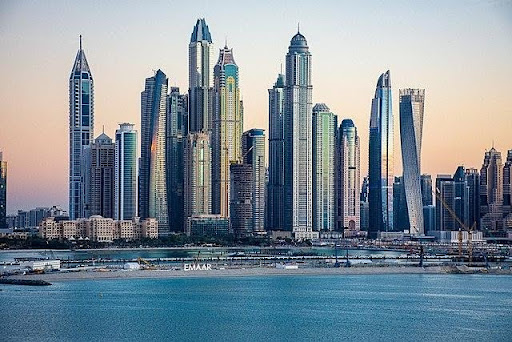 Dubai’s co-living market is expanding as it directly addresses the evolving needs of young professionals. Shared housing offers affordability, flexibility, and a sense of community in a city where traditional rentals often fall short. Neighbourhoods like Jumeirah Village Circle and Business Bay are leading this transformation, providing environments that cater to mobile, career-focused residents.
For developers and real estate investors, this shift presents an opportunity to design residential spaces that align with millennial real estate trends. By focusing on affordable rentals that offer communal amenities and flexible leasing, stakeholders can meet the demand for Dubai co-living options. This approach enhances tenant satisfaction while driving long-term growth and stability in the housing sector.